How to Choose the Right Industrial Sheeter for Your Application
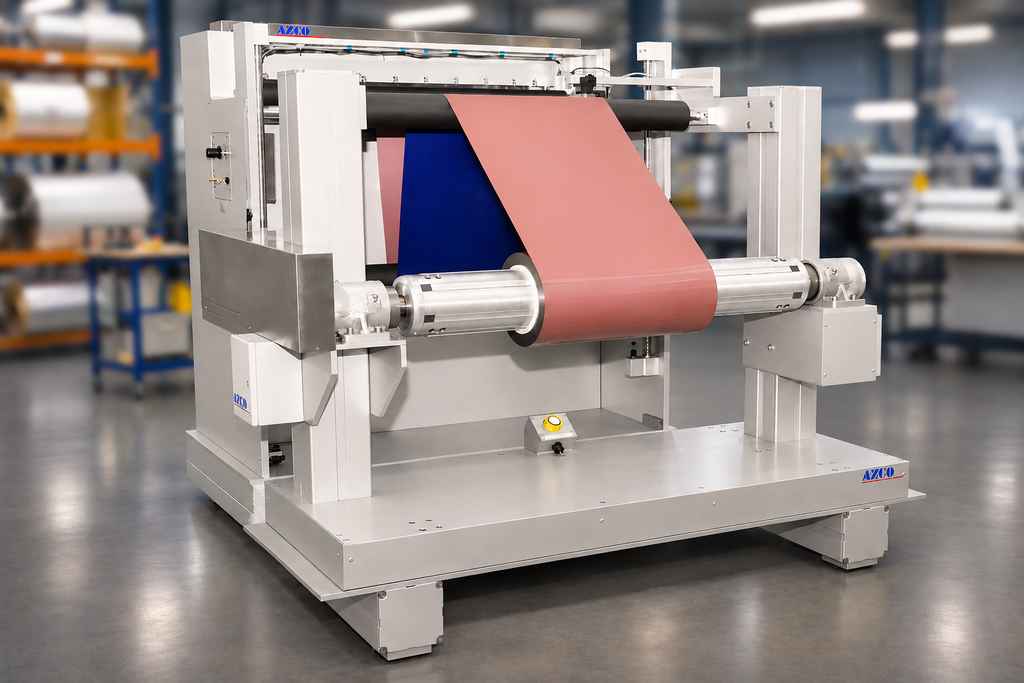
Choosing the right industrial sheeter involves more than finding a machine that can cut material to length. Material characteristics, cutting accuracy, production speed, web handling, and sheet collection all play important roles in determining which equipment will work best for your application.
For manufacturers converting flexible roll-fed materials into individual sheets, selecting the appropriate cut-to-length sheeting system can improve production consistency, reduce unnecessary material handling, and support efficient operations.
Before investing in sheeting equipment, consider these seven factors.
1. Understand the Materials You’ll Be Processing
The first step in selecting an industrial sheeter is evaluating the material itself. Common materials processed with industrial sheeting equipment include:
- Plastic films and flexible laminates
- Paper and paperboard
- Foils
- Nonwoven materials
- Rubber and other flexible industrial materials
- Specialty roll-fed materials
- Each material presents different challenges.
Thin films may require careful tension control to minimize stretching or wrinkling. Heavier materials may require different feeding and cutting arrangements, while adhesive-coated materials can introduce additional considerations for blade selection and the use of an anti-adhesive package. Static is another consideration. In some cases if not addressed the equipement will not run as expected.
Before evaluating equipment, identify your material’s width, thickness, flexibility, surface characteristics, adhesive, static and roll dimensions.
Why it matters: Equipment needs to be configured to properly run your materials. If not considered it may not operate at peak performance. Understanding the material helps determine the appropriate feeding, cutting, and handling configuration.
2. Define Your Cut Length and Accuracy Requirements
Not all cut-to-length applications require the same degree of precision. Some manufacturers need short, consistently sized pieces, while others process wider materials into larger sheets. Important specifications to establish include:
- Minimum and maximum cut lengths
- Maximum material width
- Required cutting tolerance
- Desired production speed
- Frequency of material or length changes
The relationship between feeding accuracy and cutting performance is especially important. A properly configured feeding system helps position material consistently before each cut, supporting repeatable sheet dimensions.
Why it matters: Establishing these requirements early helps narrow the equipment options and avoid selecting a system that is either insufficient or unnecessarily complex.
3. Evaluate the Cutting Technology
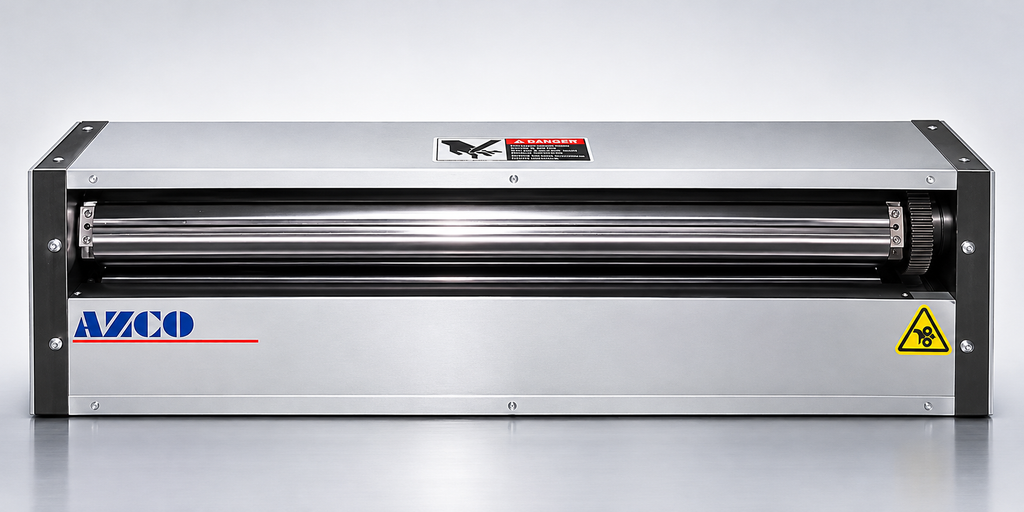
Different sheeting applications may require different cutting methods. Three technologies commonly considered in industrial converting applications are:
- Guillotine cutting. A guillotine-style knife cuts across the material, typically after the web has been advanced to the required length. This approach is used in many flexible-material cut-to-length applications.
- Rotary knife cutting. Rotary knife assemblies use rotating cutting components and can be incorporated into converting systems where material movement, production speed, and cutting requirements make this approach appropriate.
- Traveling knife cutting. A traveling knife moves across the width of the material to perform the cut. This configuration may be suitable for applications involving particular material widths or cutting requirements.
No single cutting technology is best for every application. Material composition, thickness, desired edge quality, production speed, and maintenance requirements should all be considered when comparing cutting methods.
Why it matters: Selecting the appropriate cutting method helps ensure the finished sheets meet production requirements without introducing unnecessary processing complications.
4. Consider Unwinding, Feeding, and Web Tension Control
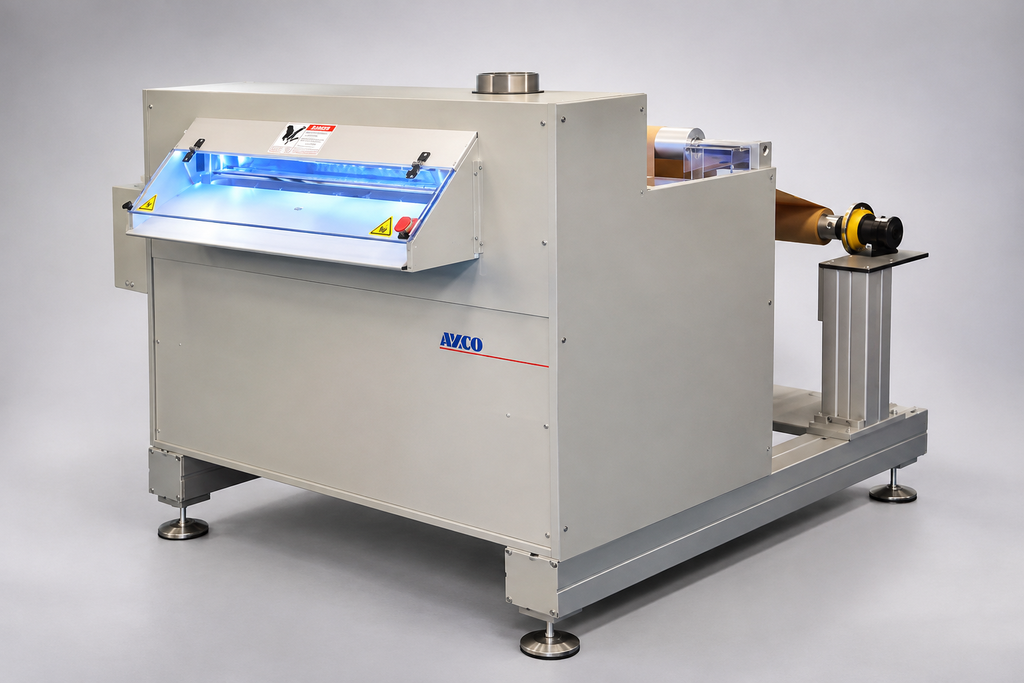
The cutting mechanism is only one component of an effective sheeting system. When processing roll-fed materials, the unwind and feeding equipment must deliver material consistently to the cutting station. Depending on the application, equipment may incorporate:
- Motorized unwind stands
- Dancer assemblies
- Web-guiding systems
- Servo-driven feed rollers
- Registration sensors
Web tension is particularly important when processing flexible materials that may stretch, wrinkle, or shift during operation. For example, AZCO’s SUR-SIZE™ FGW-1000 and FGW-1650 sheeters incorporate motorized unwinding, dancer assemblies, and servo-driven feeding technology to support consistent material handling.
For additional information about these systems, see our article, SUR-SIZE™ Sheeters: Advanced Cutting Technology for Precision Material Processing.
[Internal link to existing AZCO article — URL to be inserted.]
Why it matters: Consistent material handling makes accurate cut length possible and reliable consistent results throughout the production process.
5. Determine Whether Automated Stacking Is Necessary
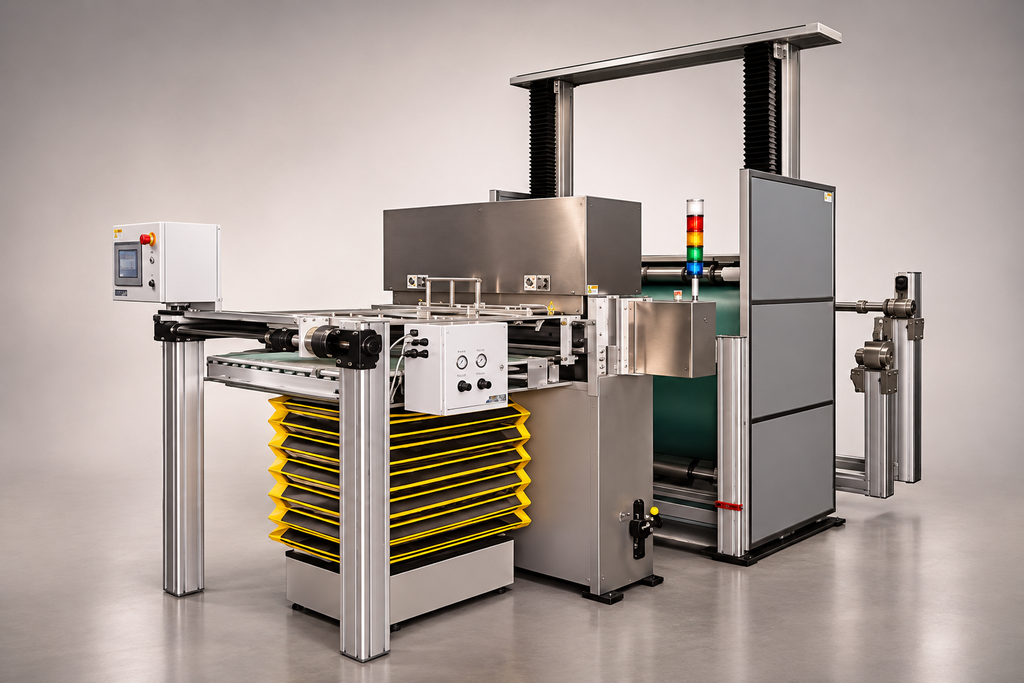
Once material has been cut into sheets, those sheets must be collected, stacked, transferred, or prepared for the next manufacturing operation.
- For lower-volume applications, manual collection may be sufficient.
- Higher-volume production environments may benefit from automated sheet handling.
- An industrial sheeter stacker system can help:
- Reduce manual collection requirements
- Organize finished sheets
- Support consistent downstream handling
- Improve workflow efficiency
However, stacking requirements vary considerably based on material characteristics. Thin films, lightweight paper, and other flexible materials may behave differently during collection than heavier or more rigid sheets.
AZCO offers automatic stacking options for its SUR-SIZE™ sheeting equipment, allowing manufacturers to evaluate cutting and collection requirements together.
Why it matters: The appropriate sheet collection method can be just as important as the cutting operation itself. It reduces labor cost and increases production output.
6. Consider Integration With Other Converting Equipment
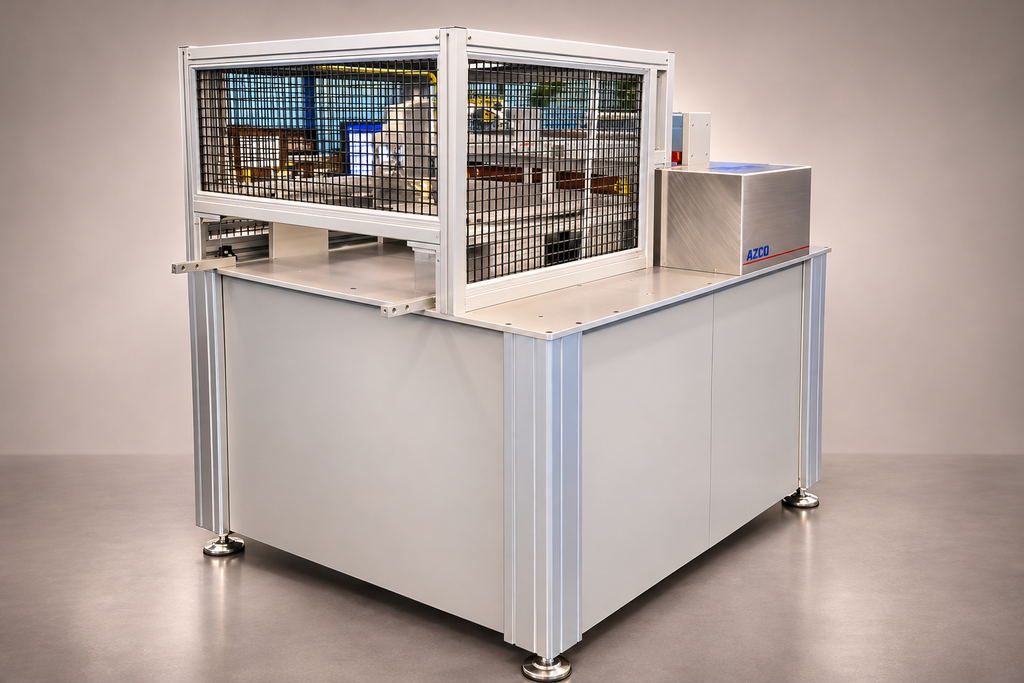
In some manufacturing environments, a sheeter operates independently. In others, sheeting is one step in a larger converting process involving unwinding, slitting, laminating, feeding, or other operations.
When evaluating equipment, consider whether the sheeter needs to integrate with existing machinery or support additional processes in the future. Modular converting equipment can offer flexibility by allowing different components to be configured for specific production requirements.
AZCO manufactures modular cutting, feeding, and material-handling equipment that can be incorporated into application-specific converting systems.
Explore AZCO’s Cut-to-Length and Sheeting Equipment — https://azcocorp.com/product-list/cut-to-length-sheeters.html
Why it matters: Considering the complete production process can help manufacturers select equipment that supports both current requirements and future operational needs. A building block design gives the greatest flexibility.
7. Evaluate the Complete Production Process
Before selecting an industrial sheeter, review the entire application rather than comparing machines based on individual specifications alone.
| Consideration | Questions to Ask |
|---|---|
| Material | What materials, widths, and thicknesses will be processed? |
| Cutting | What sheet lengths, tolerances, and edge quality are required? |
| Production | What output rate is needed? |
| Feeding | How will material be unwound, guided, and positioned? |
| Collection | Will sheets require automatic stacking or transfer? |
| Integration | Must the equipment work with other converting operations? |
| Operation | How frequently will materials or cutting dimensions change? |
The answers can help determine which equipment features are essential and which may be unnecessary for the application.
Finding the Right Industrial Sheeter
Selecting an industrial sheeter requires balancing material characteristics, cutting requirements, production goals, and downstream handling needs.
The right solution should provide the necessary cutting accuracy while supporting efficient material movement and practical integration with the rest of the manufacturing process.
AZCO Corp designs and manufactures modular converting equipment, including industrial sheeters, cut-to-length systems, feeding equipment, and material-handling solutions.
Explore SUR-SIZE™ sheeting equipment — https://azcocorp.com/product-list/cut-to-length-sheeters.html
Have a specific material or cutting requirement? Contact AZCO Corp to discuss your application. — https://azcocorp.com/contact-us/